Road Debris Accidents in Idaho: Who’s Responsible?
If you’ve ever had something suddenly appear in the road — a ladder, loose gravel, a piece of tire, or debris falling from a truck — you know how quickly things can go wrong. These accidents often happen without warning, leaving little time to react and even less clarity about what just happened.
Unlike many car accidents where two drivers are clearly involved, road debris accidents often raise more questions than answers. There may not be another vehicle at the scene. The source of the debris may be unclear. And insurance companies may argue that the situation was unavoidable.
Understanding how liability works in Idaho road debris accidents can help you better evaluate your situation and protect your right to compensation.
What Counts as a Road Debris Accident?
A road debris accident occurs when an object in the roadway causes a crash, forces a driver to swerve, or results in vehicle damage or injury.
Common examples include:
- Cargo falling from a truck or trailer
- Loose items like ladders, furniture, or tools left on the road
- Tire fragments or vehicle parts from prior accidents
- Construction materials or debris in work zones
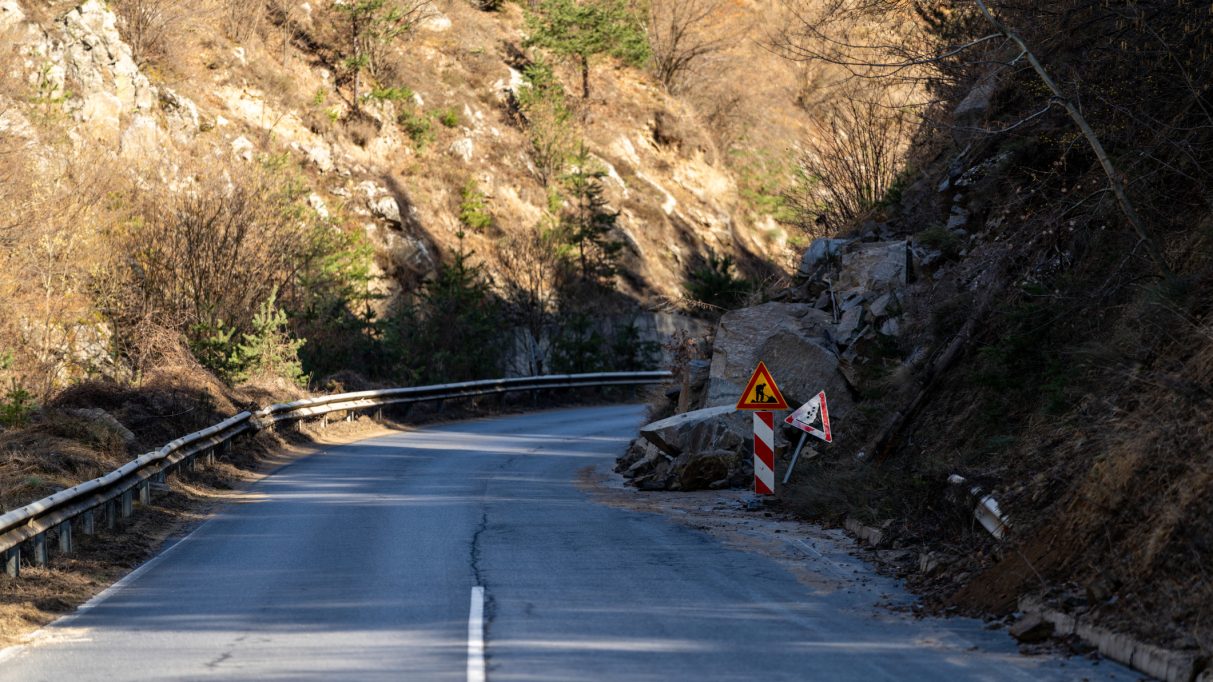
- Natural debris, such as fallen branches or rocks
Some road debris accidents involve direct impact. Others happen when a driver swerves to avoid an object and collides with another vehicle or leaves the roadway.
Even if you didn’t hit another car, you may still have a valid personal injury claim depending on how the debris got there.
Who Can Be Responsible for a Road Debris Accident?
Liability in road debris accidents depends on where the debris came from and whether someone failed to act reasonably. Several parties may be responsible:
A Driver Who Dropped the Debris
If a driver failed to properly secure cargo or allowed items to fall into the roadway, they may be held liable for any resulting injuries or damage.
Trucking or Commercial Vehicle Companies
Commercial drivers and trucking companies have strict safety requirements for securing loads. If debris came from a commercial vehicle, liability may extend beyond the driver to the company responsible for maintenance, training, or loading procedures.
Construction or Maintenance Crews
If road debris was left behind in a construction zone or work area, the company responsible for maintaining the site may be liable.
Government Entities
In some cases, a government agency may be responsible for failing to address known hazardous road conditions. These claims can involve additional rules and shorter deadlines.
Situations Where the Source Is Unknown
Sometimes, the biggest challenge is identifying where the debris came from. When the responsible party cannot be located, the claim may involve your own insurance coverage or become more complex to pursue.
What If You Didn’t Hit Another Vehicle?
Many people assume they only have a claim if they collided with another driver. That’s not always true.
If road debris caused you to crash — even if no other vehicle was directly involved — you may still have a valid claim. For example:
- You swerved to avoid debris and hit a guardrail
- Debris struck your vehicle and caused you to lose control
- An object damaged your vehicle and led to injury
These cases often come down to proving how the debris ended up in the roadway and whether someone else’s actions contributed to the hazard.
How Fault Works in Idaho Road Debris Accidents
Idaho follows a comparative negligence system, which means fault can be shared between multiple parties.
You can still recover compensation as long as you were not more at fault than the other party. However, your compensation may be reduced based on your percentage of responsibility.
In road debris cases, insurance companies often argue that:
- The hazard was unavoidable
- You should have reacted differently
- You were driving too fast for conditions
Because of this, fault is often disputed — and evidence plays a critical role in determining what actually happened.
What to Do After a Road Debris Accident
What you do immediately after the accident can make a significant difference in your injury claim.
If you’re able to do so safely:
- Take photos or videos of the debris and the scene before it’s moved or cleared
- Get contact information from witnesses who saw what happened
- Call law enforcement and request a report
- Document your injuries and seek medical care promptly
- Avoid making assumptions about fault at the scene
Road debris can be removed quickly, so without documentation, it becomes much harder to prove how the accident occurred.
Protecting Your Rights After a Road Debris Accident
Road debris accidents can leave you dealing with injuries, vehicle damage, and uncertainty about what comes next — especially when fault isn’t immediately clear.
But just because the situation feels unclear doesn’t mean you don’t have a case.
These claims often involve multiple potential parties, shifting liability, and insurance companies looking for reasons to avoid paying. Understanding your options early can help you avoid costly mistakes and protect your right to compensation.
If you’ve been injured in a road debris accident in Idaho and aren’t sure who may be responsible, speaking with a personal injury attorney can help you get clarity on your next steps.
At Jane Gordon Law, we take the time to understand what happened, investigate the details, and build a case that reflects the full impact of your injuries. You don’t have to figure this out alone.
Reach out today for a free consultation to understand who may be responsible and what your next steps should be.