Pedestrian Injury Claims After a Crosswalk Crash in Idaho
You’re crossing at an intersection when a driver turns into your path. You remember having the WALK signal, but the driver says you stepped out too late. Now you’re dealing with injuries while an insurance company questions who had the right of way.
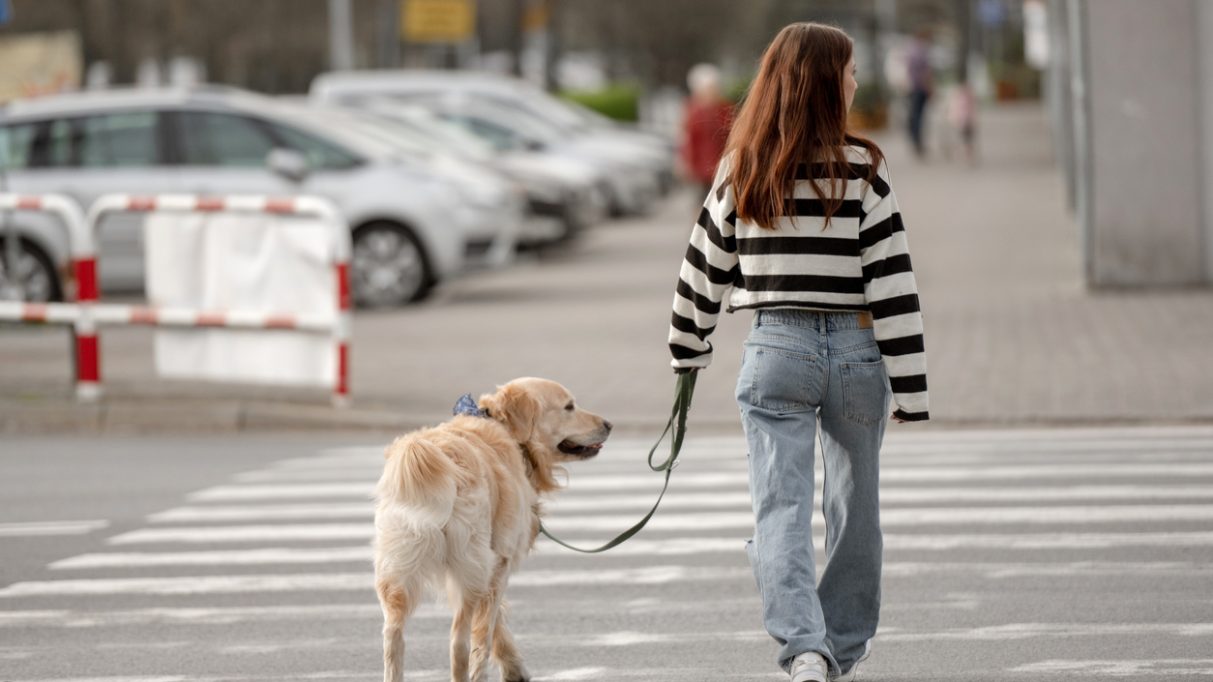
Idaho law gives pedestrians specific protections at crosswalks, including ones without painted lines. But when a collision happens, the details of the crossing and the driver’s actions can affect who is responsible.
If you’ve been injured in a crosswalk accident, understanding how Idaho determines fault, what evidence can support your case, and what compensation may be available can help you decide what to do next.
Who Has the Right of Way in an Idaho Crosswalk?
You don’t always need painted lines on the road for a crosswalk to exist. Under Idaho Code § 49-104, certain areas at intersections where sidewalks extend across the roadway are legally recognized as crosswalks, even without markings.
That means a pedestrian may still have crosswalk protections at an intersection where there are no white stripes on the pavement.
The rules depend on how the crossing is controlled.
At intersections without working traffic signals, Idaho law requires drivers to yield to pedestrians in crosswalks, slowing down or stopping when necessary. Drivers also cannot pass another vehicle that has stopped at a crosswalk to allow someone to cross.
At intersections with traffic signals, pedestrians generally may begin crossing when the WALK signal appears. If the signal changes to DON’T WALK while someone is already crossing, they may continue to the opposite sidewalk or safety island.
Drivers making permitted turns must also yield to pedestrians lawfully within the adjacent crosswalk. A green light does not automatically give a turning driver the right to proceed through a pedestrian’s path.
These rules provide an important starting point for determining whether a driver violated Idaho’s traffic laws before a collision.
When Can a Driver Be Held Responsible for a Crosswalk Accident?
Many crosswalk accidents involve a driver failing to notice a pedestrian who is already in the roadway.
Consider a driver preparing to turn right at a busy intersection. While watching for a gap in oncoming traffic, the driver begins turning without checking the adjacent crosswalk. A pedestrian crossing with the WALK signal is struck before the driver notices them.
In this situation, the investigation would consider whether the driver should have seen the pedestrian and had an opportunity to yield.
Idaho law also places a broader responsibility on drivers. Under Idaho Code § 49-615, drivers must exercise due care to avoid colliding with pedestrians. This duty applies even when questions arise about who had the right of way.
A driver who approaches a crossing too quickly, fails to pay attention, or does not respond to a visible pedestrian may be negligent if those actions contribute to the crash.
Determining responsibility requires examining what the driver did before impact and whether reasonable precautions could have prevented the collision.
Can a Pedestrian Be Partially at Fault for a Crosswalk Crash?
Pedestrians have responsibilities under Idaho law, too. Even when using a crosswalk, someone cannot suddenly step into the path of a vehicle that is too close to stop safely.
Following traffic signals is also important. If a pedestrian enters after the DON’T WALK signal appears, the insurance company may argue that their actions contributed to the accident.
But an insurance company’s assessment of fault is not necessarily the final word.
Under Idaho Code § 6-801, an injured person may still recover compensation when they share some responsibility for an accident. This is known as comparative negligence.
In a claim against one driver, the pedestrian generally must be less than 50% responsible to recover compensation. Any compensation awarded is then reduced according to their percentage of fault.
For example, if a pedestrian is found 20% responsible, their compensation would be reduced by 20%. If the pedestrian and driver are found equally responsible, recovery against that driver is generally barred.
Insurance companies may try to assign more responsibility to a pedestrian than the evidence supports. Examining the circumstances of the crossing can help determine whether those allegations are justified.
What Evidence Can Support a Pedestrian Crosswalk Injury Claim?
A crosswalk accident can happen in seconds, and the people involved probably remember those moments very differently.
Perhaps the driver claims the pedestrian entered against the signal, while the pedestrian remembers crossing with the WALK sign illuminated. Video footage or witness accounts may help establish what happened before the collision.
Depending on the circumstances, useful evidence include:
- Photos of the intersection showing the crosswalk, traffic controls, and any conditions that may have affected visibility
- Video footage from nearby businesses, traffic cameras, or dashcams that captured the crossing
- Witness information from people who saw the pedestrian enter the roadway or observed the driver’s actions
- Traffic signal records that may help establish how the crossing was controlled when the accident occurred
- Police reports documenting the scene, statements, and observations recorded after the crash
Some evidence becomes harder to obtain as time passes. Nearby businesses may delete surveillance recordings, and conditions at the intersection may change before anyone returns to document them.
After seeking medical attention and reporting the accident, documenting the scene and gathering witness information can help preserve details that may be important to your claim.
Medical records also help document the injuries you suffered and provide information about the treatment needed after the collision.
What Compensation Can You Recover After a Crosswalk Accident?
Being struck by a vehicle can leave a pedestrian with injuries that take months to recover from. Some people need surgery or ongoing rehabilitation, while others experience lasting limitations that affect their ability to work.
A personal injury claim may allow you to pursue compensation for the losses caused by another person’s negligence.
This can include medical expenses and the cost of future treatment. If your injuries prevent you from working, you may also be able to recover lost wages or compensation for reduced earning ability.
The damages available in a personal injury case can also include pain and suffering, along with other recognized non-economic losses.
How much compensation you may recover depends on the severity of your injuries and how they affect your life. The extent of your recovery may not be fully known immediately after the accident, particularly when additional medical treatment is expected.
This is one reason to be careful about accepting an early insurance settlement. Once a claim is settled and released, you generally cannot return to request additional compensation if your injuries turn out to be more serious than expected.
How Long Do You Have to File a Pedestrian Injury Claim in Idaho?
In most cases, Idaho gives injured pedestrians two years from the date of the accident to file a personal injury lawsuit. This deadline comes from Idaho Code § 5-219.
The deadline is separate from the insurance claim process. Even if you’re communicating with an adjuster or waiting for a settlement offer, the time available to file a lawsuit generally continues to run.
Some crosswalk cases may involve additional legal requirements.
For example, if a malfunctioning pedestrian signal or another roadway condition contributed to the accident, an investigation may need to consider whether a government agency was responsible. Claims involving public entities can fall under Idaho’s Tort Claims Act, which may require formal notice within 180 days.
Because the applicable deadlines depend on who may be responsible, an attorney can review the circumstances before you assume the standard two-year period is the only deadline you need to consider.
How Can an Idaho Personal Injury Lawyer Help With a Crosswalk Claim?
After a crosswalk crash, the driver’s insurance company may question whether you had the right of way or argue that you were partly responsible. If its version of events doesn’t match yours, the disagreement can affect the compensation you’re able to recover.
At Jane Gordon Law, we understand how difficult it can be to deal with an injury while trying to figure out your legal options. Our job is to investigate what happened, determine whether you have a claim, and pursue the compensation available under Idaho law.
If you or someone you love was struck by a vehicle in an Idaho crosswalk, contact Jane Gordon Law for a free case review. You don’t need to know who was legally responsible or how much your case may be worth before reaching out.