Who Can Be Held Liable in a Truck Accident? (It’s Not Just the Driver)
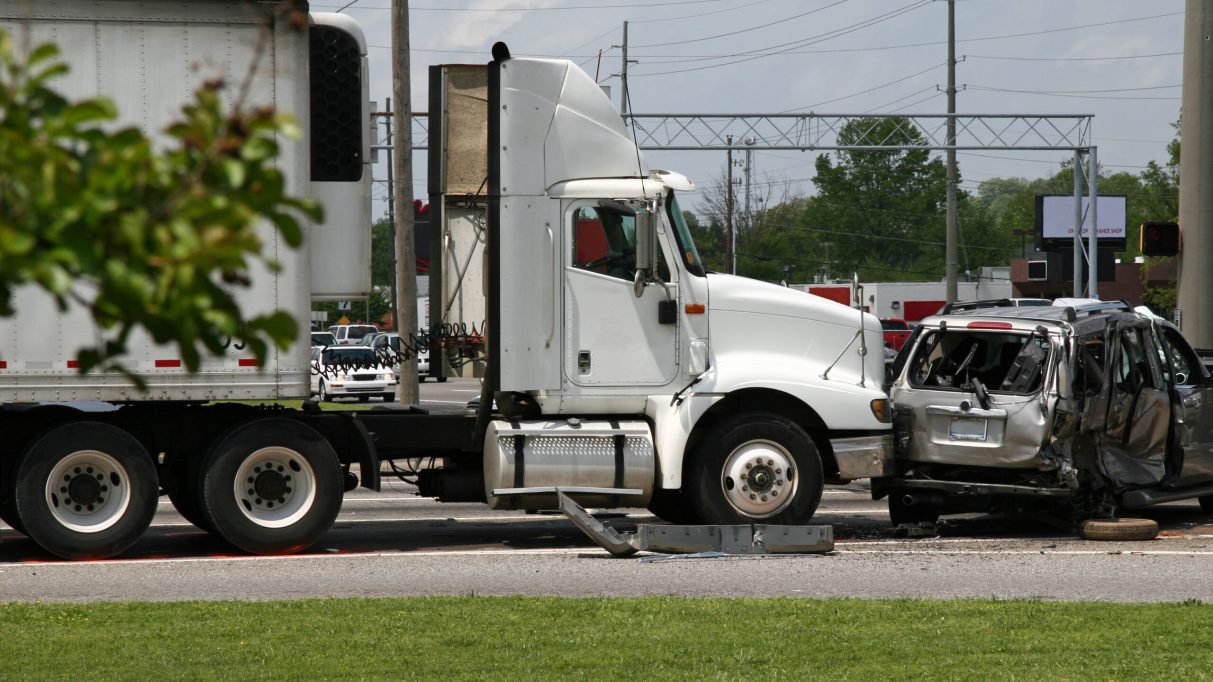
When someone is hit by a commercial truck, the first instinct is usually to focus on the driver. Was the driver speeding? Distracted? Too tired to be behind the wheel? Those questions are important, but they do not always tell the full story.
A fatigued driver may have been pushed by an unrealistic delivery schedule. A blown tire may point back to missed maintenance. A jackknife crash may have started with cargo that was overloaded or improperly secured long before the truck ever reached the road where the collision happened.
That is what makes truck accident liability different from a typical car accident. The person behind the wheel may be responsible, but so may the trucking company, the truck owner, a maintenance provider, a cargo loader, a manufacturer, or another party involved in putting that truck on the road.
Pinpointing every responsible party can directly affect how your claim is handled, what insurance coverage may apply, and whether the full scope of your injuries and losses is taken seriously.
Why Truck Accident Liability Is More Complex Than a Car Accident
Truck accident claims are fundamentally different from standard car accident cases.
Commercial trucks operate under strict federal and state regulations. Drivers must follow hours-of-service rules, companies must maintain safety standards, and vehicles must meet inspection requirements.
On top of that, multiple entities are often involved in keeping a truck on the road — from employers to maintenance providers to cargo loaders.
Because of this, liability is often shared across several parties rather than assigned to a single driver.
In a trucking accident, the cause of the crash may be buried in records the injured person never sees: driver logs, maintenance files, cargo records, company policies, or electronic data from the truck itself.
That is why liability often has to be traced backward, not just from the crash scene, but through the decisions that put that truck on the road.
The Truck Driver’s Role in Truck Accident Liability
The truck driver is usually the most visible party involved in the crash, and in many cases, driver negligence does play a role.
A driver may be liable if the accident was caused by:
- Driving while fatigued or violating rest requirements
- Speeding or driving too fast for conditions
- Distracted driving
- Driving under the influence
- Failing to react appropriately to traffic or weather conditions
The driver’s actions may explain what happened in the moment, but they can also raise another question: why was that driver on the road under those circumstances in the first place?
Trucking Company Liability in Commercial Truck Accidents
In many cases, the trucking company itself may also be held liable.Companies are responsible for hiring qualified drivers, providing proper training, and enforcing safety rules.
When those responsibilities are not met, liability can extend beyond the individual driver.
A trucking company may be responsible if it:
- Failed to properly vet or train the driver
- Ignored a history of safety violations
- Encouraged unrealistic delivery schedules that lead to fatigue
- Failed to enforce hours-of-service regulations
A trucking company cannot avoid responsibility by pointing only to the person behind the wheel if its own decisions helped create the danger.
Who Is Responsible for Truck Maintenance and Equipment Failures?
Not all trucking companies own the vehicles their drivers operate. In some cases, the truck itself is owned by a separate entity.
When a mechanical issue contributes to a crash, responsibility may fall on the party responsible for maintaining the vehicle.
This can include:
- Brake failures
- Tire blowouts
- Steering or system malfunctions
If a truck was not properly inspected or maintained, the party responsible for its condition may be held liable.
Can a Maintenance Company Be Liable for a Truck Accident?
Commercial trucks often rely on third-party companies for inspections and repairs. If a maintenance provider fails to identify or fix a safety issue, they may share responsibility for the accident.
This can happen when:
- A required inspection misses a critical problem
- Repairs are performed incorrectly
- Worn or unsafe parts are not replaced
If a truck was not properly inspected or maintained, the party responsible for its condition may be held liable. That means looking at maintenance records, inspection history, and whether known issues were ignored.
How Improperly Loaded Cargo Can Cause a Truck Accident
Cargo plays a significant role in how a truck handles on the road. When cargo is improperly loaded or secured, it can shift during transport, making the truck unstable and difficult to control.
Companies responsible for loading cargo may be liable if:
- The truck was overloaded
- Weight was unevenly distributed
- Cargo was not properly secured
These issues can lead to serious accidents, including rollovers, jackknife crashes, or debris spilling into the roadway.
When a Manufacturer Is Liable for a Defective Truck Part
In some truck accident cases, the cause of the crash is a defective component rather than driver or company error. Manufacturers may be held liable if a part fails due to a defect in design or production.
This may involve:
- Defective brakes
- Faulty tires
- Malfunctioning mechanical systems
When a failure like this contributes to an accident, it introduces a product liability element into the claim.That can change both how the case is investigated and which parties are ultimately involved.
Other Parties Who May Be Liable in a Truck Accident Claim
Depending on the circumstances, additional parties may also share responsibility.
For example:
- A government entity may be liable if unsafe road design or lack of signage contributed to the crash
- Contractors or third parties may be involved if road conditions or construction zones played a role
While these situations are less common, they can be important in building a complete picture of what caused the accident and can help account for conditions that were outside of any one driver’s control.
What Identifying All Liable Parties Means for Your Truck Accident Claim
Truck accident claims often involve more than one insurance policy.
Who is included in the claim directly affects what coverage is available for medical bills, lost income, and long-term impact. When only one party is considered, the claim may be tied to a single policy, even if other companies or entities contributed to what happened.
A more complete review of liability helps connect the crash to the decisions, maintenance issues, and conditions that played a role.
What Evidence Is Needed to Prove Truck Accident Liability?
Because multiple parties may be involved, evidence plays a critical role in truck accident claims.
Key evidence may include:
- Driver logs and hours-of-service records
- Maintenance and inspection records
- Electronic data from the truck (black box systems)
- Company policies and safety records
This type of information helps establish how the accident occurred and who may be responsible. In many cases, the key facts come from documented records rather than post-accident accounts.
Protecting Your Rights After a Truck Accident
Truck accident claims are often shaped early before all of the underlying facts have been identified. The initial explanation of what happened may focus on the most visible piece of the crash, even when other contributing factors are still unclear or undiscovered.
In cases involving commercial trucks, where multiple entities may have played a role, that early framing can carry real consequences.
If you were injured in a truck accident and have questions about who may be responsible, speaking with a personal injury attorney can help you understand your options.
At Jane Gordon Law, we help you take a closer look at your situation, identify what may not yet be clear, and make sure the claim is built on a complete understanding of what happened.