Winter Driving Mistakes That Can Hurt Your Personal Injury Claim
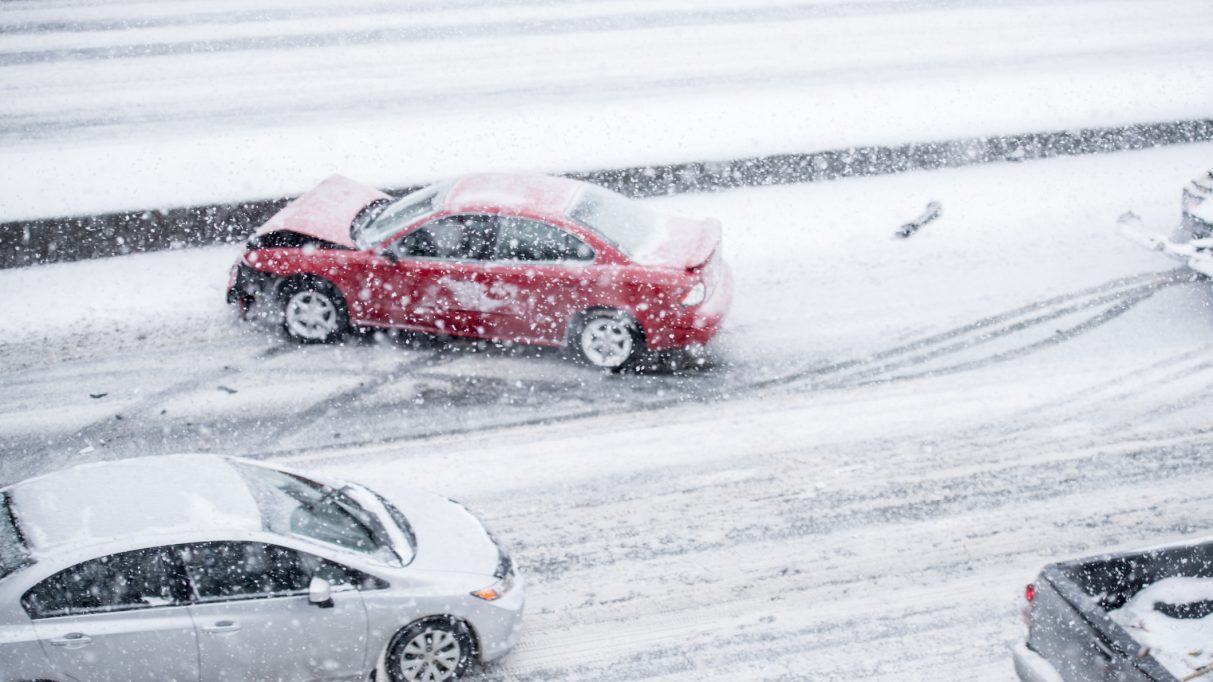
Winter driving comes with a different set of rules, and when snow, ice, and freezing temperatures enter the picture, even cautious drivers can find themselves in a crash. Unfortunately, what many people don’t realize is that certain winter driving mistakes can also make it harder to recover compensation through a winter car accident injury claim.
Insurance companies pay close attention to how a car accident happened, especially when winter road conditions are involved. Small decisions — like driving too fast for conditions or delaying medical care — can be used to argue fault or minimize the value of your claim.
That said, making a mistake does not automatically disqualify you from compensation. Under Idaho law, personal injury claims are evaluated using a comparative negligence system. This means you can still recover compensation even if you were partially at fault, as long as you were not more responsible than the other party.
However, the percentage of fault assigned to you can reduce the amount you recover — which is why winter driving decisions, documentation, and timing matter so much after a collision. Understanding how winter driving negligence is evaluated can help you protect your rights after a winter collision.
#1: Driving Too Fast for Winter Conditions
One of the most common causes of winter driving accidents is driving too fast — even when a driver is technically within the posted speed limit. Snow, ice, and slush drastically increase stopping distance, making “normal” speeds unsafe.
Insurance adjusters often argue that drivers should have adjusted their speed for the winter weather conditions. In winter car accident injury claims, fault isn’t based solely on speed limits. It’s based on whether a driver acted reasonably given the weather. If an insurer claims you were speeding for conditions, they may attempt to reduce or deny compensation.
#2: Following Too Closely on Snow or Ice
Rear-end collisions are especially common during winter weather, largely because drivers underestimate how much distance they need to stop on icy roads. Following too closely in snow or ice can lead insurers to presume fault, even if the road conditions were hazardous.
That said, winter car accidents aren’t always as straightforward as insurers suggest. Sudden stops, untreated roads, or black ice can shift liability — especially when road hazards weren’t visible or predictable.
#3: Failing to Anticipate Black Ice
Black ice is one of the most dangerous winter road hazards because it blends into the pavement and often forms without warning. Still, insurance companies frequently argue that drivers should have “anticipated” icy conditions during winter months.
In a black ice car accident, evidence becomes critical. Photos, weather reports, and witness statements can help establish whether the ice was visible or whether the hazard developed suddenly. Without documentation, insurers may attempt to assign blame unfairly.
#4: Driving with Obstructed Visibility
Snow-covered windshields, fogged windows, blocked mirrors, and iced-over headlights can all reduce visibility. Failing to fully clear your vehicle before driving can be used as evidence of winter driving negligence, even if another driver caused the car accident.
Obstructed visibility doesn’t just affect safety — it can also weaken a winter car accident injury claim by giving insurers an argument that the car crash could have been avoided.
#5: Poor Vehicle Maintenance in Winter
Winter puts additional strain on tires, brakes, and other vehicle systems. Bald tires, worn brakes, or mechanical issues can all be used to argue that a driver contributed to a winter car accident.
Not having winter tires doesn’t automatically make someone at fault, but poor vehicle condition can complicate a winter driving liability analysis. Regular maintenance and documentation can help counter these arguments.
#6: Delaying Medical Care After a Winter Car Crash
Many people walk away from winter car crashes thinking they’re fine — only to develop pain days later. Cold weather can mask symptoms, and adrenaline often delays the onset of injury.
Unfortunately, gaps in medical treatment are frequently used to challenge personal injury claims after winter accidents. Insurance companies may argue that injuries weren’t serious or weren’t caused by the car accident at all. Seeking prompt medical care creates a clear record linking injuries to the collision.
#7: Saying the Wrong Thing at the Scene
Statements like “I’m fine” or “I didn’t see them” can be taken out of context and used against you. Apologizing — even casually — may be interpreted as admitting fault.
This is especially problematic in winter weather car accidents, where fault is often disputed. Stick to exchanging information and reporting the car accident, and avoid speculating about blame.
#8: Failing to Document Winter Road Conditions
Winter evidence disappears fast. Snow melts, ice refreezes, and plows clear roads within hours. Without documentation, it becomes your word against the insurer’s version of events.
Photos of road conditions, vehicle damage, skid marks, and winter weather conditions can make a significant difference in a winter car accident claim. Witness statements can also help establish hazardous conditions that contributed to the car crash.
#9: Waiting Too Long to File a Personal Injury Claim
Winter injuries often worsen over time, especially soft tissue injuries. Waiting too long to take action can make it harder to connect injuries to the car crash and may jeopardize your personal injury claim altogether.
Statutes of limitations for car accidents apply regardless of weather, and delays give insurers more room to dispute liability and damages.
What If You Made a Winter Driving Mistake?
Many winter car accident cases involve shared responsibility. Under comparative negligence rules, you may still recover compensation even if you were partially at fault. Insurance companies often exaggerate a driver’s role in a car crash to reduce payouts — especially in winter driving accidents. Each case depends on the specific facts, evidence, and road conditions involved.
Protecting Your Rights After a Winter Car Accident
Winter driving is unpredictable, and even careful drivers can find themselves dealing with the aftermath of a car accident. Insurance companies often rely on road conditions, assumptions about driver behavior, and partial fault arguments to reduce payouts — especially in winter-related cases. While certain winter driving mistakes can complicate an injury claim, they rarely eliminate your rights entirely.
That’s why understanding how winter car crashes are evaluated, documenting conditions early, and getting medical care promptly can make a meaningful difference in protecting your car accident injury claim. These cases are rarely as straightforward as insurers make them seem, and small details often carry significant weight.
If you were injured in a winter car accident and have questions about fault, insurance pressure, or how road conditions may affect your injury claim, speaking with a personal injury lawyer sooner rather than later can help you understand your options. As your local Boise car accident lawyer, Jane Gordon Law can help you navigate complex winter injury claims, push back against unfair blame, and pursue the compensation you deserve.
A quick conversation can provide clarity, direction, and peace of mind — so you can focus on healing while knowing your rights are being protected. Reach out for your free case review today.